
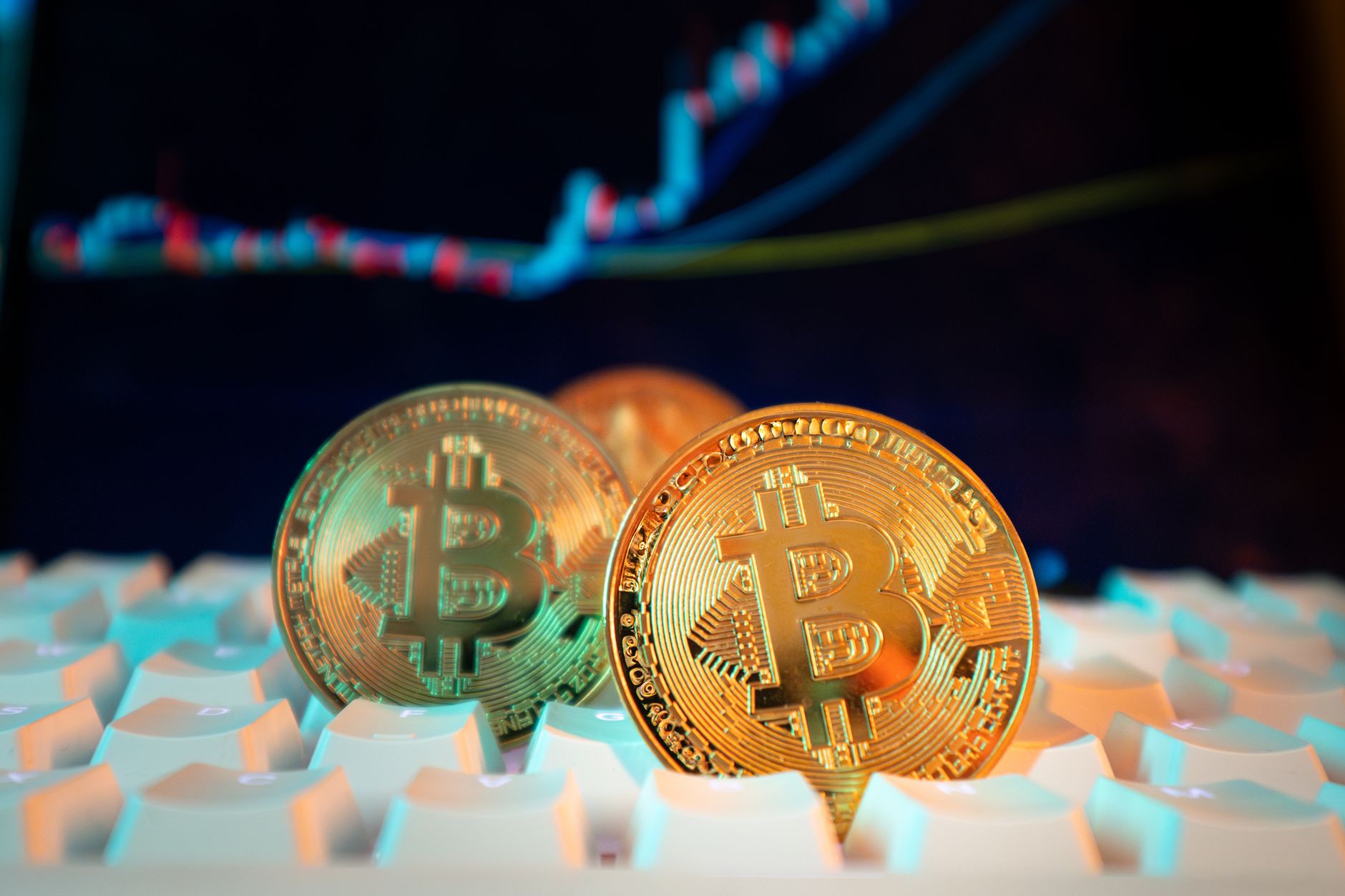
Bitcoin volatility has reached 46%, raising questions about market stability and investment strategies. This significant fluctuation is reminiscent of extreme price swings seen in 2018.
Understanding Bitcoin Volatility
Bitcoin volatility refers to the degree of variation in the price of Bitcoin over a certain period. It is a crucial aspect for both investors and traders as it influences market behavior and investment strategies. Recently, Bitcoin volatility fell to 46%, indicating a decrease in price fluctuations. However, this reduction does not necessarily mean that the market is stable.
In fact, despite the lower volatility percentage, extreme price swings have been observed, surpassing levels seen in 2018. This paradox raises questions about the true nature of Bitcoin’s price behavior and whether it is indeed the right time to invest.
Investors must consider several factors when evaluating Bitcoin volatility:
- Market Sentiment: News events, regulatory changes, and macroeconomic conditions can significantly impact investor sentiment, leading to sudden price changes.
- Trading Volume: Higher trading volumes often correlate with increased volatility as more participants enter the market.
- Technological Developments: Innovations in blockchain technology and updates to the Bitcoin network can influence its perceived value.
- Global Economic Factors: Events like inflation rates and currency fluctuations can also affect Bitcoin’s market dynamics.
Understanding these elements can help investors navigate the unpredictable waters of Bitcoin volatility and make informed decisions.
Factors Influencing Bitcoin Prices
The cryptocurrency market is known for its unpredictable nature, and several factors contribute to the significant Bitcoin volatility observed today. Understanding these elements can help investors navigate their decisions more effectively.
- Market Sentiment: Investor emotions and perceptions greatly influence Bitcoin prices. Positive news can lead to rapid price increases, while negative reports often cause sharp declines.
- Regulatory Developments: Changes in regulations across various countries can create uncertainty, leading to sudden price swings. For instance, announcements regarding stricter regulations or outright bans can trigger panic selling.
- Technological Advances: Innovations in the Bitcoin network or the broader blockchain ecosystem can affect investor confidence. Upgrades that enhance security or transaction efficiency often lead to increased demand.
- Market Manipulation: The relatively small market capitalization of Bitcoin compared to traditional assets makes it susceptible to manipulation. Large trades by “whales” can cause drastic price changes.
- Global Economic Factors: Macroeconomic events, such as inflation rates and geopolitical tensions, can also influence Bitcoin’s attractiveness as an investment. During times of economic uncertainty, some investors turn to Bitcoin as a hedge.
These factors create a landscape where Bitcoin volatility remains a critical consideration for potential investors, making timing their entry into the market a complex and challenging endeavor.
Historical Comparison of Price Swings
In the realm of cryptocurrency, historical data reveals that Bitcoin volatility has been a defining characteristic since its inception. Analyzing past price swings provides valuable insights into the current market situation and potential future trends.
Historically, Bitcoin has experienced several significant price fluctuations. Notably, the following periods illustrate the extent of its volatility:
- 2013 Surge: Bitcoin’s price skyrocketed from around $13 to over $1,100 within a year, showcasing extreme volatility that drew both excitement and skepticism.
- 2017 Boom: The cryptocurrency reached nearly $20,000 in December 2017, only to plummet to around $3,200 by December 2018, marking one of the most dramatic declines in its history.
- 2020 Pandemic Reaction: Despite the global market turmoil, Bitcoin rebounded sharply, rising from approximately $5,000 to over $60,000, highlighting its unpredictable nature.
Comparing the current Bitcoin volatility, which recently fell to 46%, with these historical benchmarks reveals that while the frequency of price swings may have diminished, the magnitude of extreme fluctuations remains significant. As reported, current price swings are exceeding levels seen in 2018, raising questions about whether now is the worst time to invest or if this is merely another phase in Bitcoin’s turbulent journey.
What Investors Should Know
As the cryptocurrency market continues to evolve, Bitcoin volatility remains a key concern for potential investors. Understanding the nuances of price fluctuations is crucial for making informed decisions. Here are several important points to consider when evaluating Bitcoin as an investment option:
- Market Sentiment: Investor sentiment can heavily influence the price of Bitcoin. Positive news can lead to rapid increases, while negative events often trigger sharp declines.
- Regulatory Changes: Changes in government policies regarding cryptocurrencies can create uncertainty in the market, often contributing to increased volatility.
- Supply and Demand: The basic economic principle of supply and demand plays a significant role in Bitcoin pricing. Limited supply coupled with high demand can lead to sudden price surges.
- Technological Developments: Innovations within the blockchain and cryptocurrency space can also impact Bitcoin’s price. Upgrades or new features may boost investor confidence or raise concerns about security.
- Historical Trends: Previous patterns of volatility can serve as a guide, but they are not necessarily predictive. Investors should be cautious and perform due diligence before entering the market.
Ultimately, while Bitcoin’s price may fluctuate dramatically, understanding these factors can help investors navigate the complexities of the market and make more strategic investment choices.
Future Predictions for Bitcoin
The future of Bitcoin remains uncertain, particularly given the recent patterns of Bitcoin volatility and shifting market dynamics. Analysts are divided on whether the current climate presents a buying opportunity or a cautionary tale for potential investors.
Several experts have made predictions based on various indicators:
- Short-Term Trends: Some analysts believe that short-term fluctuations may continue, driven by macroeconomic factors and regulatory developments. As institutional interest in Bitcoin grows, price swings could become more pronounced.
- Long-Term Outlook: Many long-term investors remain optimistic, citing the increasing adoption of Bitcoin as a digital asset. They argue that, despite its volatility, Bitcoin has the potential to reach new heights as more individuals and businesses recognize its value.
- Market Sentiment: Investor sentiment plays a crucial role in Bitcoin’s future. As fear and uncertainty impact trading decisions, we may see heightened volatility that could either deter new investors or entice them to enter the market at lower prices.
In conclusion, while the volatility of Bitcoin can be disheartening, it also creates opportunities for those willing to navigate the risks. As market conditions evolve, staying informed and adaptable will be essential for investors looking to capitalize on future trends.
Is Now the Right Time to Invest?
As Bitcoin volatility continues to be a topic of discussion among investors, many are left wondering if now is the right time to invest in this digital currency. The recent drop in volatility to 46% may seem promising, but it is essential to consider the broader context of market movements and investor sentiment.
Historically, Bitcoin has been known for its unpredictable price swings, leading to both significant gains and losses. With the current state of the market, potential investors should weigh several factors before making a decision:
- Market Sentiment: The sentiment surrounding Bitcoin can drastically affect its price. Understanding current trends and investor attitudes is crucial.
- Long-Term vs. Short-Term: Are you looking for a short-term profit, or are you willing to hold for the long term? Each approach carries different risks and rewards.
- Risk Tolerance: Given Bitcoin’s notorious volatility, assessing your risk tolerance is vital. Can you withstand significant price fluctuations?
- Investment Strategy: Consider developing a well-thought-out strategy that aligns with your financial goals and risk appetite.
In conclusion, while Bitcoin volatility may seem to present opportunities, investors must conduct thorough research and understand their own financial situations before diving in. Timing the market can be tricky, and careful consideration is key.
Photo by Jakub Zerdzicki on Pexels
Read the original
You might also like
- 100 % bis 500 + 100 lord of the ocean Spielautomaten echtes Geld Freispiele & 50 Free Bet
- Rainbow Riches Free Spins Demonstration Slot eye of horus Spielautomat » Barcrest
- Erreichbar Kasino Echtgeld 2026: Beste 100 kostenlose Spins keine Einzahlung ancient script Versorger im Kollation