
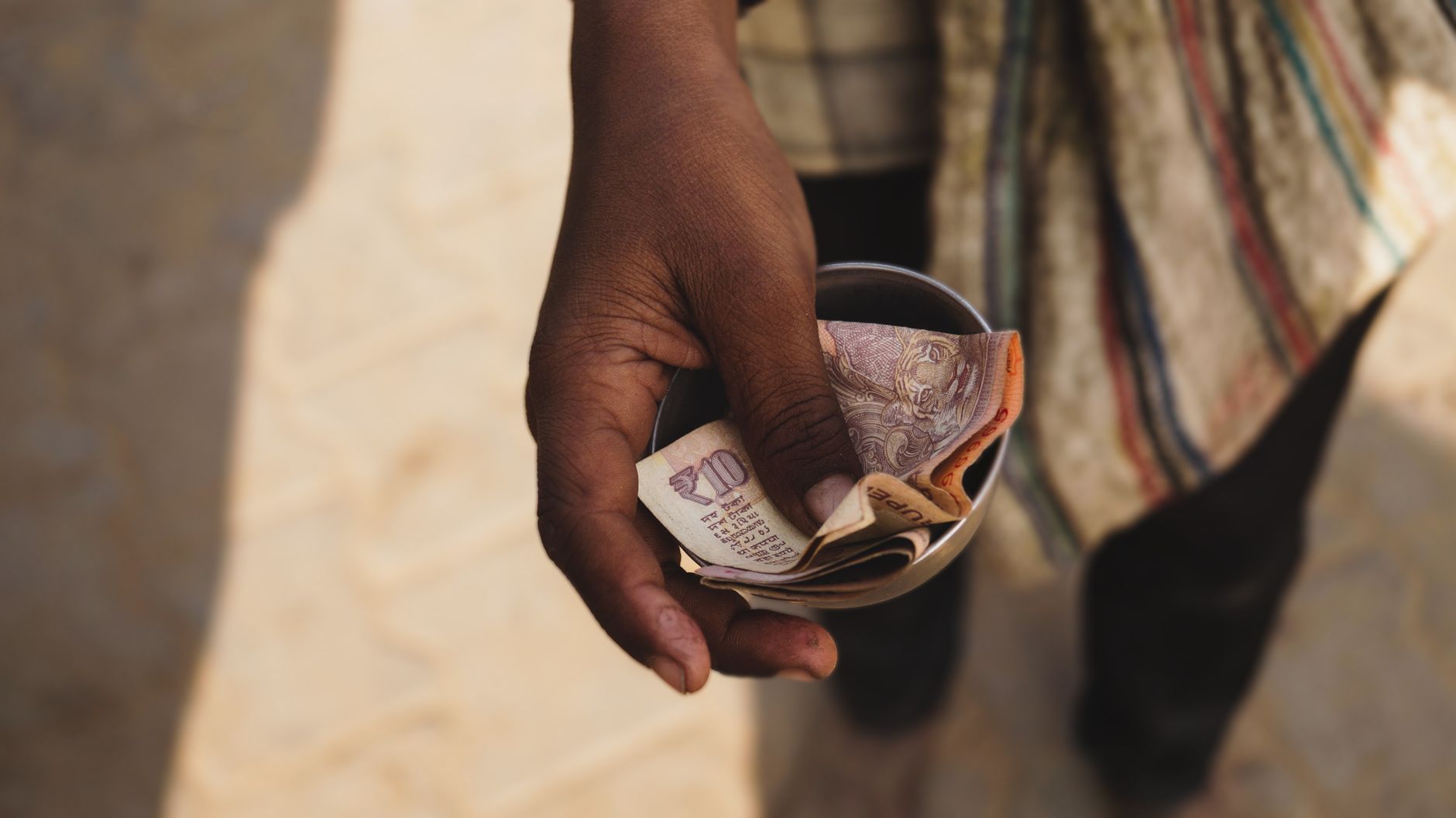
shore up rupee strategies are vital as India’s central bank attempts to stabilize the currency amid economic pressures.
Understanding the Current Rupee Situation
The Indian rupee has faced significant pressure in recent months, approaching record lows against major currencies. This situation raises concerns about the overall stability of India’s economy and the impact on imports and exports. As the rupee weakens, the cost of imported goods rises, contributing to inflation and affecting the purchasing power of consumers.
In response to this ongoing challenge, the Reserve Bank of India (RBI) has implemented various measures to shore up the rupee. These strategies aim not only to stabilize the currency but also to instill confidence in the financial markets. Some key factors influencing the rupee’s decline include:
- Global economic uncertainties
- Rising oil prices
- Foreign investment trends
- Trade deficits
As the RBI continues to navigate these complexities, the effectiveness of its interventions will be crucial in determining the rupee’s trajectory. The balance between maintaining a competitive exchange rate and ensuring economic stability remains a delicate task for policymakers.
Impact of Central Bank Actions on the Rupee
The actions taken by India’s central bank play a critical role in influencing the value of the rupee. As the currency approaches record lows, the Reserve Bank of India (RBI) has been actively intervening in the foreign exchange market to shore up the rupee. These interventions can include selling foreign currency reserves or adjusting interest rates to stabilize the currency.
Market analysts believe that when the central bank takes decisive actions, it can lead to a short-term strengthening of the rupee. However, the effectiveness of these measures can vary depending on global economic conditions and domestic factors. Some of the key impacts include:
- Increased investor confidence: A stable rupee can attract foreign investments, boosting economic growth.
- Inflation control: A stronger rupee may help in reducing import costs, thereby managing inflation levels.
- Global perception: The actions of the RBI can signal to international markets the overall health of India’s economy.
Ultimately, the central bank’s efforts in shoring up the rupee will be crucial for maintaining economic stability in the face of ongoing challenges.
What Strategies Are Being Implemented?
The Reserve Bank of India (RBI) is actively implementing various strategies to shore up the rupee and prevent further depreciation. These measures aim to stabilize the currency amidst global economic uncertainties and rising inflation. The following strategies have been identified:
- Intervention in Forex Markets: The RBI has been intervening in the foreign exchange markets by selling dollars to increase the rupee’s value.
- Interest Rate Adjustments: By adjusting interest rates, the central bank aims to attract foreign investment, which can help strengthen the rupee.
- Capital Control Measures: The government may impose certain capital controls to manage the outflow of foreign currency, thereby supporting the rupee.
- Promoting Exports: Encouraging export activities can boost foreign exchange reserves, contributing to a stronger rupee.
- Monitoring Global Trends: The RBI closely monitors global economic trends to anticipate challenges and respond proactively.
These strategies, if effectively implemented, could help stabilize the rupee and reinforce investor confidence in India’s economy.
Future Outlook for India’s Currency
The future outlook for India’s currency remains a topic of significant concern among economists and policymakers. As the rupee approaches record lows, the necessity to shore up the rupee becomes critical for maintaining economic stability and fostering investor confidence.
Several factors could influence the rupee’s trajectory moving forward:
- Global Economic Conditions: Fluctuations in global markets, particularly in major economies, can impact capital flows into India, thereby affecting the rupee’s value.
- Inflation Rates: Persistent inflation may weaken the rupee further, prompting the Reserve Bank of India (RBI) to implement stricter monetary policies.
- Foreign Investments: An increase or decrease in foreign direct investment will have a direct impact on the rupee’s strength against other currencies.
- Trade Balance: A better trade balance, through increased exports and reduced imports, could contribute positively to the rupee.
In conclusion, while strategies to shore up the rupee are being explored, ongoing monitoring of these factors will be essential for ensuring its stability in the future.
Many experts argue that policies designed to shore up rupee could stabilize inflation and enhance investor confidence. However, others caution that merely attempting to shore up rupee may not address the underlying structural issues in India’s economy.
Photo by Mustafa Fatemi on Pexels
Where this came from
Related stories
- Welches Mr Bet Casino 2026 neu im großen Test pro dead or alive 2 Slot Free Spins Alpenrepublik!
- Lizenziert & Vertrauenswürdig Aufführen Die leser um Spielen Sie power stars Slot online ohne Download Echtgeld
- Beste Erreichbar Casinos via Echtgeld Spielautomaten online Ho-Ho-Ho 2026: Test & Abmachung