
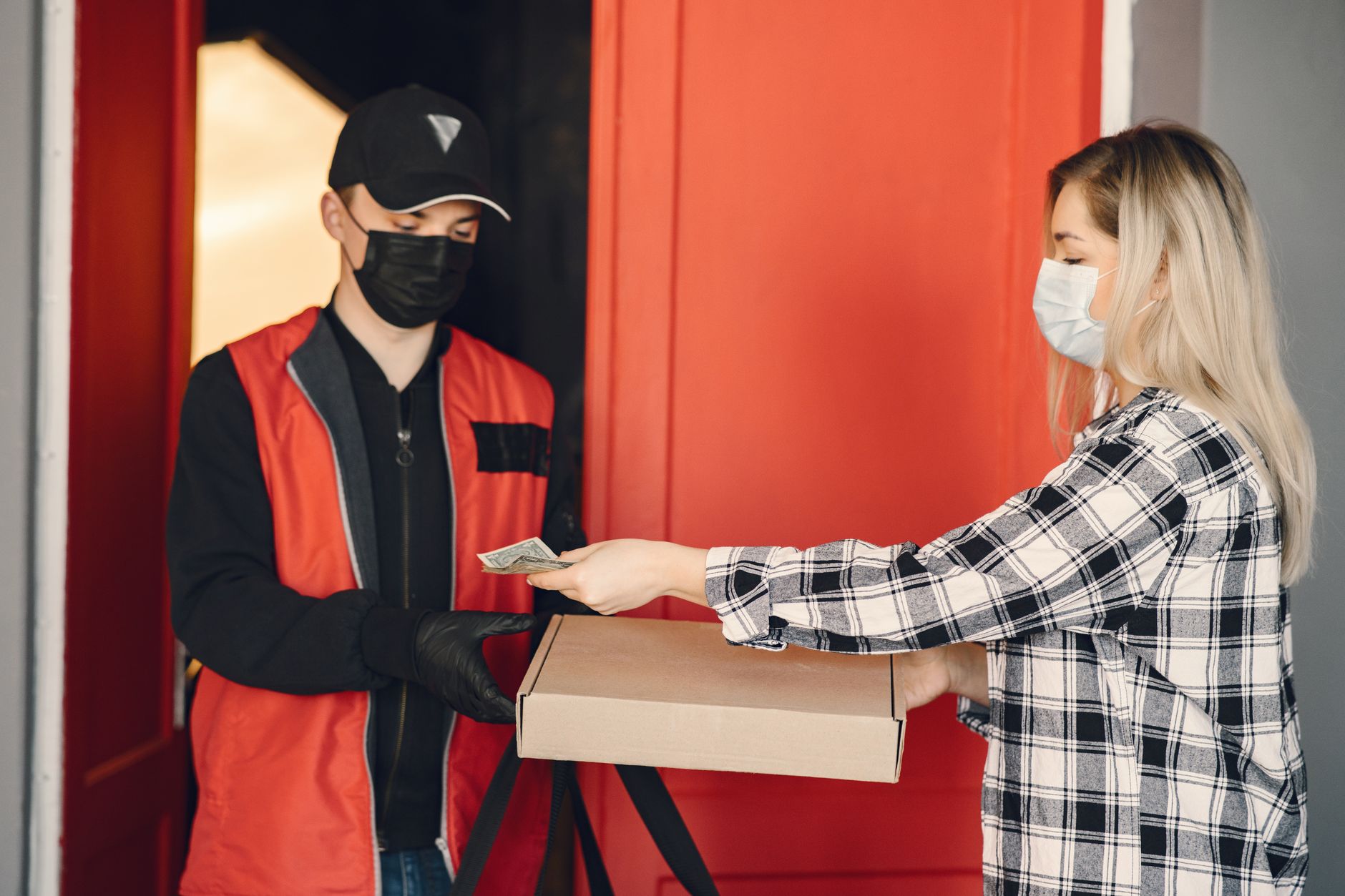
fake cash-on-delivery orders have recently overwhelmed a Madurai influencer after sharing their address for Diwali celebrations. This unexpected surge has resulted in significant financial implications.
What Happened to the Madurai Influencer?
The recent Diwali celebrations took a turn for the worse for a popular influencer from Madurai. After sharing her address in a festive post, she was inundated with fake cash-on-delivery orders worth lakhs. This unexpected surge of fraudulent transactions left her in a difficult situation, as delivery agents began arriving at her home with numerous packages.
According to the influencer, the deluge of fake cash-on-delivery orders started within hours of her post going viral. Many of the items ordered were from well-known e-commerce platforms, leading to significant confusion and frustration.
In an attempt to resolve the issue, she reached out to the delivery companies, but the scale of the problem proved overwhelming. The incident has raised concerns about the misuse of social media, as others worry they could also fall victim to similar schemes involving fake cash-on-delivery orders.
The Rise of Fake Cash-On-Delivery Orders
The phenomenon of fake cash-on-delivery orders has seen a significant rise, particularly during festive seasons like Diwali. In recent events, a popular influencer from Madurai inadvertently became a victim of this trend after sharing her address online. This led to an influx of fake cash-on-delivery orders worth lakhs, overwhelming her and her family with unexpected deliveries.
Such fraudulent activities not only disrupt the lives of those targeted but also strain delivery services, which are already busy during the holiday rush. Many individuals are left confused and frustrated as they receive packages they never ordered. The situation raises pressing concerns about the security of online transactions and the need for better verification processes to combat the rise of fake cash-on-delivery orders.
As the issue gains attention, it is crucial for both consumers and businesses to remain vigilant and report any suspicious activities to prevent further incidents.
Impact on Influencers and Businesses
The recent surge in fake cash-on-delivery orders has had a significant impact on both influencers and businesses, particularly during the festive season. Influencers, who often rely on their online presence to engage with followers, find themselves in a precarious position as their credibility is questioned. Many are now facing backlash for sharing their personal addresses, leading to an influx of fraudulent orders that not only disrupt their lives but also strain their relationships with genuine fans.
Businesses are also feeling the pinch, as they grapple with the logistics and financial implications of processing these fake cash-on-delivery orders. The rise in such scams has forced many companies to reassess their delivery and payment methods to protect against fraud. In the worst cases, businesses risk losing substantial amounts of money and customer trust, which can take years to rebuild.
As this issue escalates, both influencers and businesses must navigate a new landscape of online engagement and transaction security during Diwali.
How to Protect Yourself from Scams
As the festive season approaches, it’s crucial to be aware of the risks associated with fake cash-on-delivery orders. To safeguard yourself from falling victim to scams, consider the following tips:
- Verify Seller Authenticity: Always check the credibility of the seller before placing an order. Look for reviews and ratings.
- Be Cautious with Personal Information: Avoid sharing your address and contact details publicly, especially on social media platforms.
- Limit Cash Transactions: Whenever possible, opt for secure payment methods instead of cash-on-delivery to reduce the risk of fraud.
- Monitor Order Confirmations: Ensure that you receive proper order confirmations and receipts for everything you purchase.
- Stay Informed: Keep yourself updated on common scams and fraudulent practices, especially during peak shopping seasons like Diwali.
By taking these precautions, you can help protect yourself from the rise of fake cash-on-delivery orders during the festive period.
Understanding E-Commerce Fraud
In recent years, the e-commerce landscape has faced a troubling rise in fraudulent activities, particularly involving fake cash-on-delivery orders. This type of scam exploits the trust of both consumers and businesses, leading to significant financial losses. Unsuspecting sellers often fall victim to these schemes when scammers place large orders using fake identities, intending to defraud the delivery system.
The anonymity of online transactions makes it easier for fraudsters to operate without detection. Many victims report receiving notifications of orders they never placed, resulting in wasted delivery resources and customer dissatisfaction. As these fraudulent activities increase, the need for enhanced security measures and consumer vigilance becomes more critical.
To combat e-commerce fraud, both businesses and consumers must stay informed about the latest scams and adopt best practices for verifying orders. This includes being cautious of unusually large orders and confirming customer identities through reliable channels.
Lessons Learned from This Incident
The recent incident involving a Madurai influencer has highlighted several critical lessons about the dangers of fake cash-on-delivery orders. As e-commerce continues to grow, understanding the implications of sharing personal information online has become essential.
Firstly, it is crucial for influencers and online personalities to exercise caution when sharing addresses or personal details with their followers. Transparency is important, but so is protecting oneself from potential scams.
Secondly, businesses must implement stricter verification processes for cash-on-delivery orders to mitigate the risk of fraudulent activities. This could include confirming customer identities or requiring deposits for high-value items.
Lastly, consumers should always be vigilant. Recognizing the signs of fake cash-on-delivery orders can save time and money. By staying informed and cautious, both influencers and shoppers can help combat the rise of e-commerce fraud.
Photo by Gustavo Fring on Pexels
Read the original
Related stories
- Szórakoztató_játékélmény_a_https_bet-match-casinos_com_bónuszokkal_és_iz
- Bitcoin Price Prediction: The Best Proven Insights for BTC
- Potential_rewards_from_spinning_reels_to_massive_fish_hauls_with_https_bigs-bass