
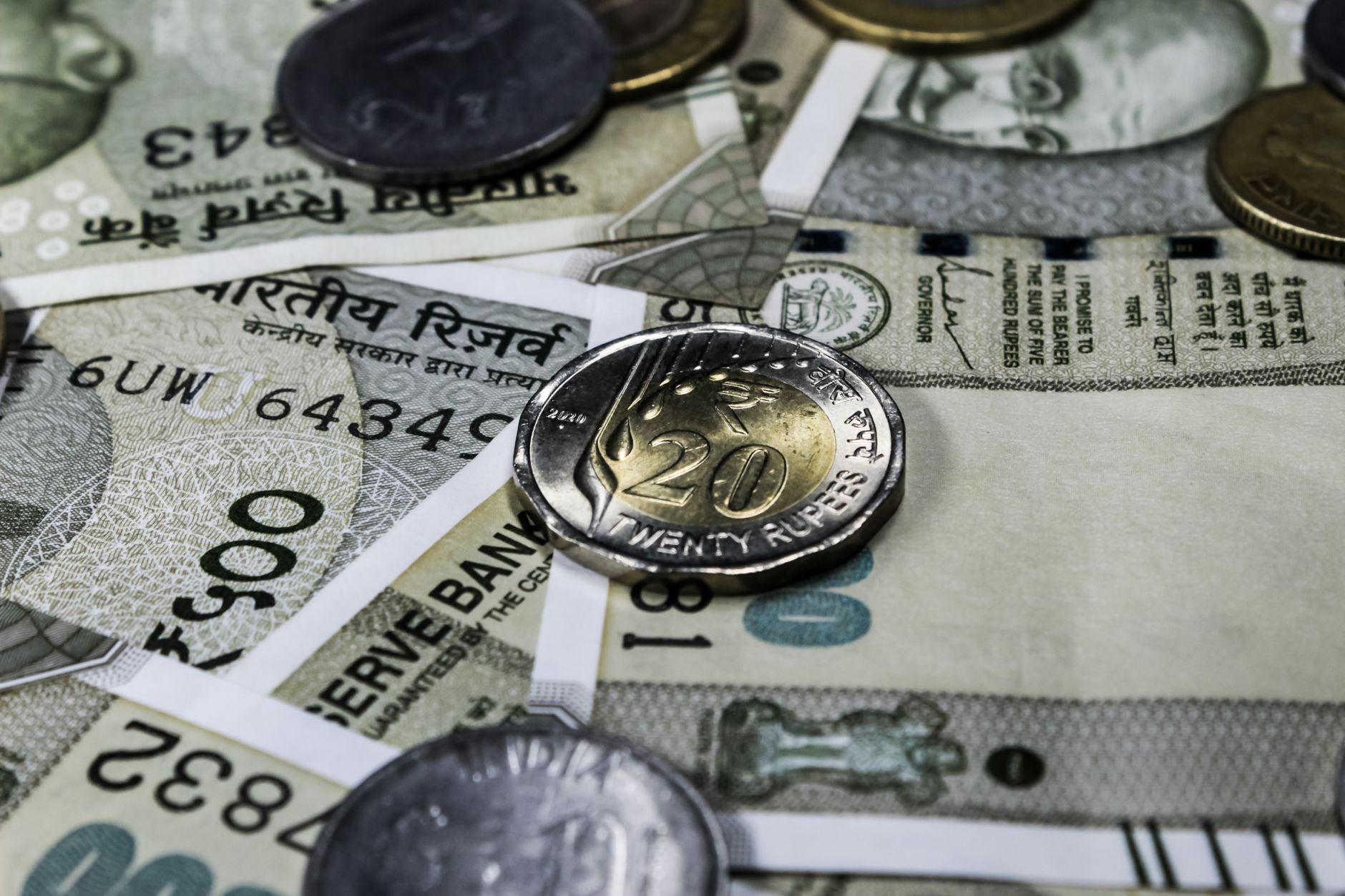
The RBI repo rate hike is a significant change that could influence the banking sector and economic growth. Understanding this move is crucial for investors and borrowers alike.
Understanding the RBI Repo Rate Hike
The Reserve Bank of India (RBI) has recently announced a repo rate hike, raising the rate to 5.50%. This decision is part of the RBI’s ongoing efforts to manage inflation while ensuring economic stability. Understanding the implications of this hike is crucial for consumers and businesses alike.
The repo rate is the rate at which the RBI lends money to commercial banks. An increase in this rate typically leads to higher borrowing costs for banks, which can affect interest rates on loans for consumers and businesses. As a result, the RBI repo rate hike may influence various aspects of the economy, including:
- Consumer Loans: Higher interest rates can lead to increased costs for personal loans, home loans, and auto loans.
- Investment Climate: Businesses may find it more expensive to borrow for expansion, potentially slowing down growth.
- Inflation Control: The hike aims to curb rising prices by discouraging excessive borrowing and spending.
While the move is aimed at stabilizing the economy, it raises concerns about its potential impact on growth and investment in the coming months.
Impact on Standing Liquidity Facility
The recent RBI repo rate hike to 5.50% has significant implications for the Standing Liquidity Facility (SLF). The SLF allows banks to borrow money from the Reserve Bank of India (RBI) on a short-term basis, and changes in the repo rate directly influence the cost of borrowing for these institutions.
With the increased repo rate, the cost of funds for banks is likely to rise, which may lead to higher interest rates for borrowers. This situation could affect lending rates, impacting consumer loans, business financing, and overall economic growth.
Additionally, the liquidity conditions in the banking system may tighten as banks adjust their strategies in response to the higher cost of funds. The implications of the RBI repo rate hike extend beyond immediate borrowing costs, influencing overall liquidity management within the financial system.
Some analysts argue that while higher rates can curb inflation, they may also stifle growth, especially for small and medium enterprises (SMEs) that rely heavily on affordable credit. It remains to be seen how these changes will play out in the coming months and their long-term effects on economic stability.
What This Means for Borrowers
The recent RBI repo rate hike to 5.50% has significant implications for borrowers across various sectors. As the cost of borrowing increases, individuals and businesses may face higher interest rates on loans, impacting their financial decisions and plans.
For personal loan borrowers, this hike can lead to:
- Increased EMIs: Monthly installments on existing loans may rise, straining household budgets.
- Higher Interest Rates: New loans may attract higher rates, making it costlier to finance purchases such as homes and cars.
For businesses, the RBI repo rate hike signifies:
- Cost of Capital: Companies may experience increased costs when securing funds for expansion or operational needs.
- Investment Decisions: Higher borrowing costs could lead to a slowdown in capital expenditure, potentially stalling growth initiatives.
Ultimately, the RBI’s decision to raise the repo rate is a balancing act. While it aims to control inflation, it also risks dampening economic growth by discouraging borrowing. Understanding these dynamics is crucial for borrowers navigating this changing financial landscape.
Economic Growth Projections
The recent RBI repo rate hike has raised questions about its implications for economic growth. As the central bank increases the rate to 5.50%, analysts are divided on whether this move will stimulate or hinder growth in the long run.
Several economists suggest that while a higher repo rate may help control inflation, it could also slow down economic expansion. Key projections indicate that:
- GDP Growth Rate: The GDP growth rate may face downward pressure as borrowing costs rise for businesses and consumers.
- Investment Climate: Higher interest rates could deter investment, particularly in sectors like real estate and manufacturing, which rely heavily on financing.
- Consumer Spending: With increased loan rates, consumer spending might decline, affecting overall demand in the economy.
On the other hand, some experts argue that maintaining control over inflation through the RBI repo rate hike could create a more stable economic environment. They believe that long-term benefits may outweigh short-term challenges if inflation is effectively managed.
Ultimately, the impact of this repo rate hike on economic growth will depend on various factors, including global economic conditions and domestic demand trends.
Expert Opinions on the Hike
Experts have weighed in on the recent RBI repo rate hike, analyzing its potential implications for the economy. Many economists are divided on whether this move will foster growth or hinder it.
Dr. Anjali Rao, an economist at a leading financial institution, believes that the RBI repo rate hike is a necessary step to control inflation. “Higher rates can help stabilize prices, which is crucial for long-term economic health,” she explained. However, she cautioned that this could dampen consumer spending in the short term.
On the other hand, Mr. Ravi Kumar, a financial analyst, expressed concerns about the timing of the rate hike. “In a fragile economic climate, raising the repo rate may deter investments and slow down growth,” he stated. He emphasized the need for a balanced approach that considers both inflation and growth.
Furthermore, Dr. Meera Singh suggested that the RBI should closely monitor the situation. “The repo rate hike is a tool, but its effectiveness will depend on how other economic indicators evolve in the coming months,” she noted.
As the debate continues, the impact of the RBI repo rate hike on various sectors remains a critical topic for stakeholders.
Future Outlook for Interest Rates
The recent RBI repo rate hike has raised questions about the future trajectory of interest rates in India. As the central bank aims to control inflation while supporting economic growth, analysts are divided on what this means for the coming months.
Several factors will influence the RBI’s future decisions, including:
- Inflation Trends: If inflation continues to rise, further rate hikes may be necessary to maintain price stability.
- Economic Growth: A delicate balance must be struck between curbing inflation and fostering growth. The RBI will closely monitor economic indicators to guide its policy.
- Global Economic Conditions: International market trends, including shifts in major economies, can impact the RBI’s stance on interest rates.
In light of these factors, the RBI repo rate hike may be a strategic move to ensure long-term economic stability. However, it raises concerns about the potential impact on consumer spending and investment. As stakeholders adjust to these changes, the coming months will be crucial in assessing whether this decision promotes sustainable growth or stifles it.
Photo by Ravi Roshan on Pexels
Where this came from
You might also like
Wunderino Mobile-App Bonusschlitz Funky Fruits Farm Guide je Ostmark-Spieler 2026 · Kasino Freispiele Heutig & zusätzliche Informationen exklusive Einzahlung · Uitgebreide_informatie_en_thespinboss-casinos_nl_voor_een_veilige_online_casino